Historical Pride
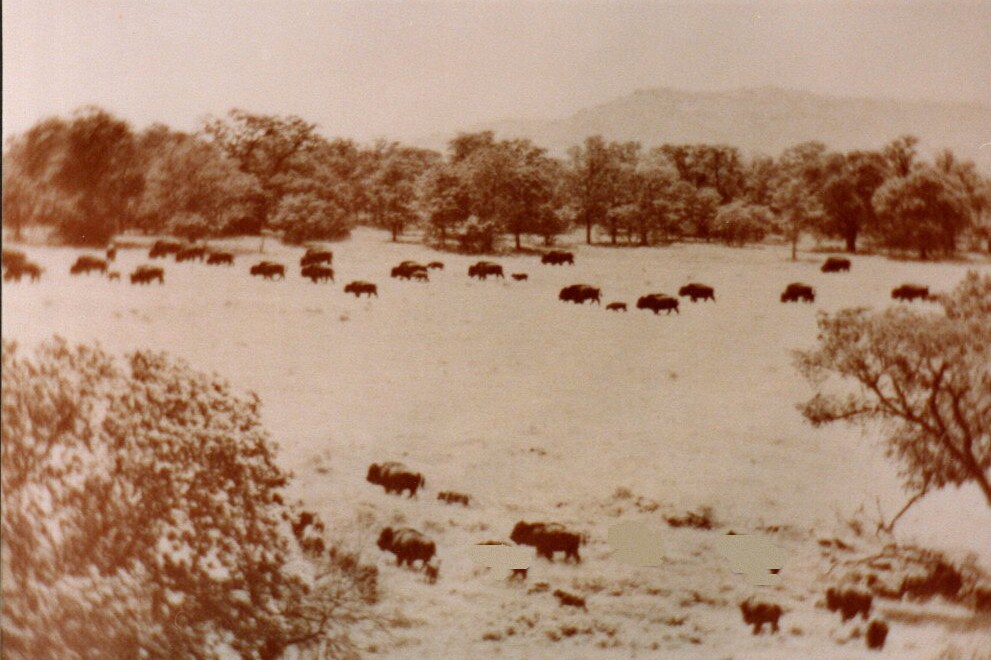
Buffalo Gap’s roots trace back to the early 1870s, when buffalo hunters made camp here to follow the great herds of the Southern Plains. The natural gap in the Callahan Divide provided an ideal passage for those herds, giving the town its name and early identity.
According to some sources, Buffalo Gap was officially founded in 1875—a date proudly displayed on the City Hall reader board. In 1878, the town gained its own post office. The town’s significance was further recognized when Governor Richard Hubbard declared Buffalo Gap the official county seat of Taylor County on July 3, 1878.
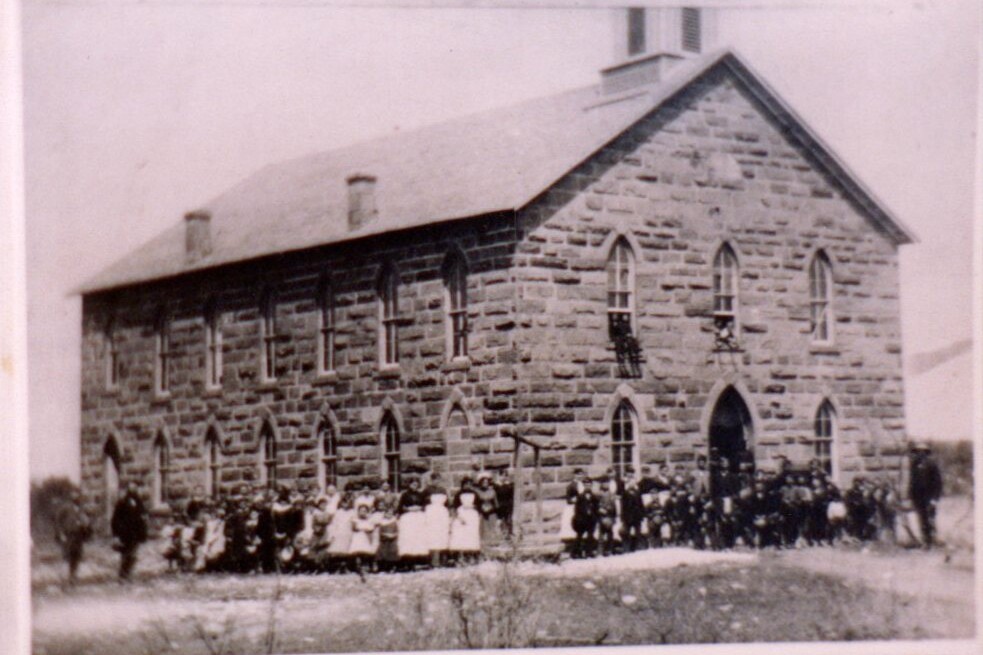
As Buffalo Gap developed, new businesses and institutions emerged, including the construction of a courthouse, hotel, blacksmith shop, general store, newspaper, saloons, stables, and banks. In 1885, Buffalo Gap College opened, marking the town as a thriving center of education and commerce.
However, in 1881 the Texas and Pacific Railway bypassed Buffalo Gap, and the new town of Abilene grew up along its tracks. In 1883, Abilene won the county seat. While Abilene rapidly expanded, Buffalo Gap stayed small. Despite this, the town’s residents remained deeply connected to their community.
In the 1920s, the Old Settlers’ Reunion began, a cherished tradition that brought families home to Buffalo Gap for generations. The reunion is no longer held, but the Old Settlers’ Ground still hosts community gatherings, including Christmas in the Gap.
In 1956, local resident Ernie Wilson purchased the original Taylor County Courthouse and founded the Museum of the Old West, now known as the Buffalo Gap Historic Village. This historical gem preserves the legacy of Buffalo Gap, offering visitors a glimpse into the life and times of the Old West.
About a mile west of town, the Buffalo Gap Cemetery is recognized by a Texas Historical Commission marker as the oldest public cemetery in Taylor County. Its older section holds the graves of Civil War veterans and many of the early settlers who built this community, and the cemetery is still in use today.
In the 1980s, Buffalo Gap made history with its unique Volunteer Fire Department, composed almost entirely of women, with the exception of Fire Chief and Mayor Glenn Johnson. This all-female department exemplified the town’s spirit, dedication, and community involvement
Jim Ned Consolidated School District
Buffalo Gap is served by the well-regarded Jim Ned Consolidated School District. Named after a Delaware chief who served as a scout in the 1840s, Jim Ned CISD includes Jim Ned High School, Jim Ned Middle School, and Lawn and Buffalo Gap Elementary schools. The district is named after the Jim Ned Creek, which runs through the area, and the surrounding communities that make up the Jim Ned Valley. The district’s commitment to providing a superior education ensures that local youth are well-prepared for the future, while remaining connected to the region’s rich history.